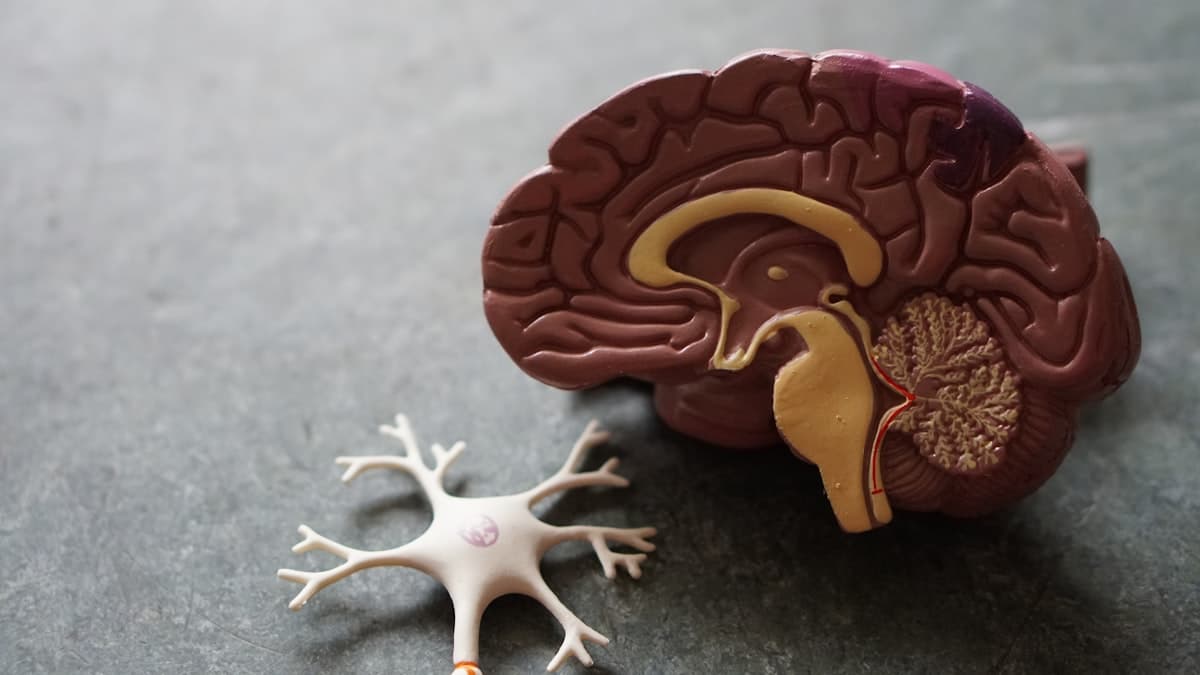
Your brain is doing a lot right now. Understanding the chemistry might not fix the pain, but it can help you be gentler with yourself.
The Chemical Crash
When you were with them, your brain produced:
- • Dopamine - pleasure and reward
- • Oxytocin - bonding and trust
- • Serotonin - mood stability
Now those levels have dropped. Your brain is in withdrawal. The craving to contact them? That's your brain seeking its next dopamine hit.
The Stress Response
Breakups trigger cortisol (stress hormone) production. This is why you might experience:
- • Difficulty sleeping
- • Changes in appetite
- • Trouble concentrating
- • Physical symptoms (headaches, stomach issues)
How Your Brain Heals
The good news: your brain is remarkably adaptable. Over time:
- • New neural pathways form
- • The associations weaken
- • Chemical balance returns
- • The pain centers quiet down
This isn't fast. But it's happening. Every day you're healing, even when it doesn't feel like it.
Ready to talk?
Our heartbreak helpline is here for you. Book a call or start chatting now.
Related Articles

When the Breakup Was Your Fault
You messed up. Maybe badly. Now you're dealing with guilt on top of grief. Here's how to process it.
Read more →
Loneliness vs Being Alone: Understanding the Difference
You can feel lonely in a room full of people and peaceful when you're by yourself. Here's the difference.
Read more →
Why Rebounds Usually Don't Work
Thinking about jumping into something new to get over them? Here's why that often backfires.
Read more →
The Stages of Grief in a Breakup
You've heard of the five stages. Here's how they actually show up in heartbreak (hint: not in order).
Read more →